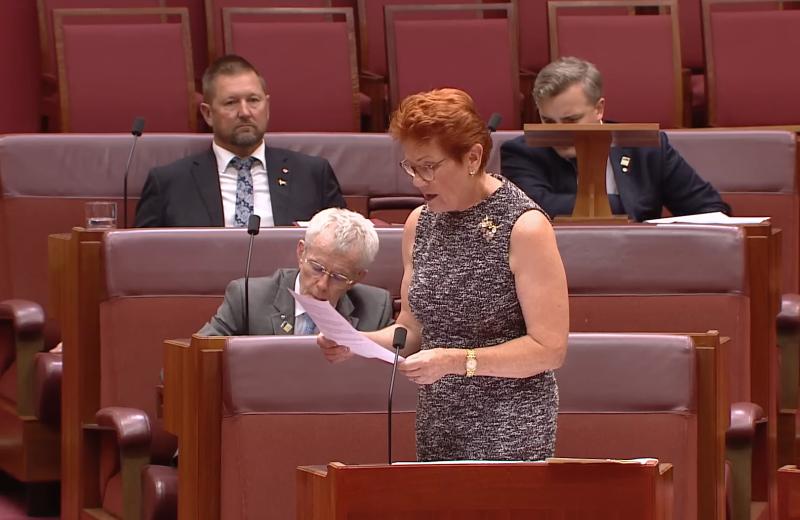
One Nation’s NDIS fraud inquiry push ran into a Senate wall after Labor said a separate probe was unnecessary and the Greens refused to back the motion’s framing. The clash put the NDIS fraud inquiry at the centre of a wider fight over how Parliament should examine abuse, waste and non-compliance in the scheme.
Assistant Minister Anthony Chisholm told the Senate on March 23 that NDIS minister Jenny McAllister had written that day to the Chair of the Joint Standing Committee on the National Disability Insurance Scheme to propose an inquiry into the integrity of the scheme. He said that existing committee, not a separate Senate references committee, was the proper forum.
That answer gave Labor a process argument against One Nation‘s motion. It also shifted attention to whether the government will now quickly publish terms, dates and scope for the committee path it says it prefers.
NDIS Fraud Inquiry Turns on Process and Framing
One Nation had asked the Senate to send waste, fraud and abuse in the NDIS to the Legal and Constitutional Affairs References Committee. Its proposed terms went beyond provider fraud and compliance controls. They also reached into labour market effects, housing and construction costs, and the possible scope of a royal commission.
Greens senator Jordon Steele-John said disabled people and their families care more than anyone about fraud in the NDIS. But he rejected the motion, saying he would not support a forum that validated the belief that disabled people and families were rorting the system. He accused One Nation of turning disability into a political opportunity.
The joint committee Labor pointed to already holds a broad remit. Parliament says it can examine NDIS implementation, performance and governance, as well as administration, expenditure and other NDIS matters referred by either House. The committee is chaired by Libby Coker, with Liberal senator Maria Kovacic as deputy chair.
That means Labor did not argue against integrity scrutiny itself. It argued against creating a separate Senate inquiry when an existing NDIS-specific committee already exists.
Audit and Fraud Data Keep Pressure on the Government
The political fight sits on top of an official integrity problem that is already on the record. In June 2025, the Auditor-General said the National Disability Insurance Agency’s management of claimant compliance was only partly effective. The audit said the scheme lacked basic prevention controls before 2024, and the agency was reviewing only 0.4 percent of claims by dollar value while finding high levels of non-compliance in the claims it did examine.
The NDIA has also pointed to the Fraud Fusion Taskforce as proof it is acting. In October 2025, the agency said the taskforce had launched more than 635 investigations since November 2022 and blocked $86 million in suspicious claims. It also said more than 800 specialists were then working across fraud, integrity and compliance.
Another parliamentary process is already running in parallel. The Joint Committee of Public Accounts and Audit opened an inquiry in late 2025 into the administration of the NDIS, including financial sustainability risks and claimant and provider compliance. That gives the government another argument that scrutiny is already underway, even as critics say the response remains fragmented.

Campaigners display a list of senators they say voted against One Nation’s proposed NDIS fraud inquiry.
Pete Zogoulas and Drew Pavlou Helped Push Issue Higher
Pressure around the NDIS fraud inquiry was building before the Senate clash. The timing here is important.
On March 11, Mayo MP Rebekha Sharkie told the House that every MP had been emailed a video by investigative journalists Pete Z and Drew Pavlou on NDIS fraud. That linked the growing online investigation directly to the parliamentary debate.
Now the timing gets interesting.
On March 23, Labor’s answer to One Nation’s motion was that the minister had written that same day to propose an integrity inquiry through the existing Joint Standing Committee on the NDIS. The government had already faced official warnings about weak fraud controls, but the citizen-led reporting appears to have helped force the issue into a more visible parliamentary fight.
The sequence raises a political question for Labor. MPs were alerted to the Pete Z and Drew Pavlou material on March 11, but the government’s stated alternative to a separate Senate inquiry was a ministerial letter sent on March 23 proposing that the existing NDIS committee examine integrity. That does not erase official concern about fraud. It does suggest the government’s committee answer only became visible after outside investigators and public pressure pushed the issue higher.
The Senate debate ended on Monday night with the division deferred until a later time. By Tuesday, Drew Pavlou and One Nation were publicly saying Labor, the Greens and independent senator Tammy Tyrrell had voted the motion down.
That leaves the NDIS fraud inquiry unresolved, not dead. Labor says integrity scrutiny should happen through the existing joint committee. One Nation says Parliament blocked a dedicated probe.
The Fraud Test For Government
The next test is simple: will the government now turn its promised committee path into a visible inquiry with published terms of reference, dates and hearings? If not, how long will the fraud continue, hurting taxpayers and people who need NDIS services, and helping fraudsters?